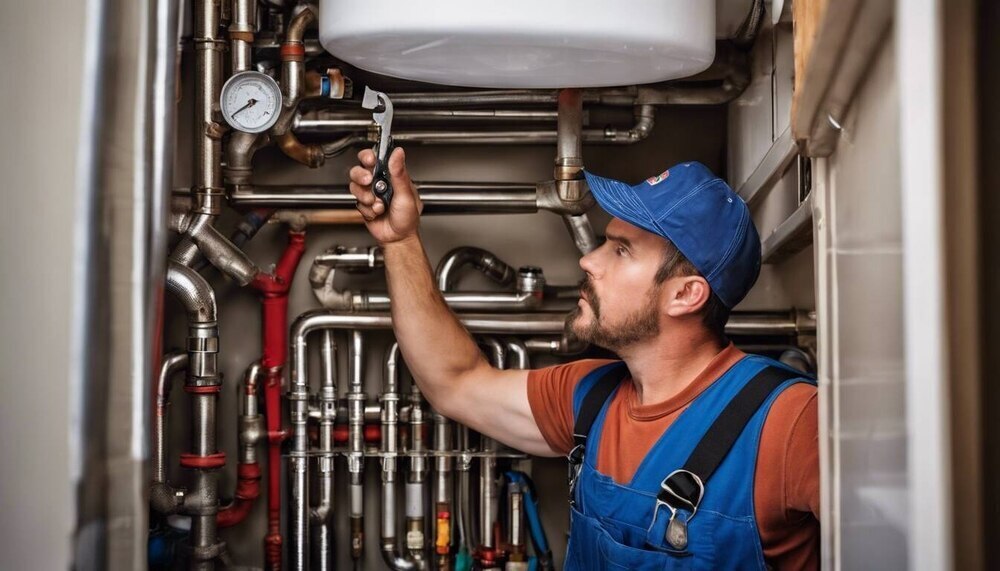
In today’s world, plumbing problems can disrupt daily life more than most people realize. From a leaky faucet to a major pipe burst, plumbing issues can create serious inconveniences for both homes and businesses. That is why reliable plumbing services are so important. Websites like fortworthplumbers.org showcase trusted solutions for all kinds of plumbing challenges. Their team handles everything from routine maintenance to emergency repairs, ensuring that systems work efficiently and safely.
Local Knowledge Makes a Difference
When plumbing problems arise, working with local professionals ensures faster service and better results. Key Biscayne Plumbers are an example of how local expertise benefits communities. They understand the specific needs of homes and businesses in the area, including common plumbing challenges caused by climate or infrastructure. Whether it’s a small residential repair or a large-scale commercial installation, these plumbers provide dependable solutions that keep water flowing and systems running smoothly.
Professional plumbers offer more than just basic fixes. They can identify underlying issues, install new systems, and provide advice to prevent future problems. Modern plumbing is complex, and attempting to handle it without proper knowledge can often make issues worse. By relying on trained professionals, clients save both time and money while avoiding unnecessary damage.
The Importance of Skilled Plumbing Services
From low water pressure to water heater problems or clogged drains, licensed plumbers bring valuable skills to any situation. They have the training, tools, and experience necessary to complete repairs safely and effectively. This includes pipe installation, water testing, and ensuring compliance with safety and health regulations.
Many people do not realize how interconnected plumbing systems are until a problem occurs. A simple leak can lead to mold, structural damage, or water waste if not addressed quickly. Having a skilled plumber on hand prevents small issues from becoming serious and costly problems. Plumbers are not just repairers; they are problem solvers who ensure homes and businesses remain functional and safe.
The Role of Plumbers in the Workforce
Professional plumbers play a critical role in supporting the economy and public infrastructure. According to the U.S. Bureau of Labor Statistics, plumbers, pipefitters, and steamfitters are essential in the construction and maintenance of buildings. They install, maintain, and repair the systems that bring water and gas safely into homes and workplaces. Their work protects public health and supports community wellbeing. More information about the profession and job outlook can be found here.
Plumbing professionals must stay up to date with building codes, safety standards, and technological advances. Smart home systems, energy-efficient fixtures, and advanced water management technologies require specialized knowledge. Skilled plumbers ensure that clients benefit from modern solutions without compromising safety or quality.
Choosing the Right Plumbing Service
Not all plumbing services are created equal. Licensing, insurance, experience, and customer service are critical when selecting a plumber. Licensed plumbers have completed rigorous training and meet industry standards. Insurance coverage protects both the client and the plumber in case of accidents or unexpected damage.
Clear communication is also essential. A professional plumber will explain the problem, present options, and provide an accurate estimate before starting work. Trust and transparency help homeowners and business owners make informed decisions about their plumbing needs.
Emergency service availability is another important factor. Plumbing issues often occur at inconvenient times, and a quick response is essential to prevent major damage. Reputable companies understand this and offer reliable after-hours service.
Building Long-Term Plumbing Relationships
Reliable plumbers focus on long-term client relationships. Regular maintenance checks, seasonal inspections, and priority service programs help prevent problems and extend the life of plumbing systems. By taking a proactive approach, homeowners save money and avoid stress caused by unexpected breakdowns.
Residential clients value respect, professionalism, and clear communication. Commercial clients need dependable service that minimizes disruptions to operations. In both cases, professional plumbers provide peace of mind, knowing that their systems are in capable hands.
Conclusion
Plumbing is a vital part of modern life, affecting comfort, safety, and health. Trusted professionals like those featured through local service networks provide quality solutions backed by training and experience. Whether facing an emergency or planning upgrades, working with expert plumbers ensures systems function efficiently and problems are handled properly. Reliable plumbing is not just about pipes and faucets it is about protecting homes, businesses, and communities.